


The FADER’s longstanding GEN F series profiles the emerging artists you need to know right now.
“I'm not, like, dark and mysterious,” Tiffany Day says with a laugh as she tucks a strand of bleached hair behind her ear.
The Wichita-raised, Los Angeles-based pop star is sitting on the floor of her boyfriend’s bedroom, bathed in sunlight. Despite the anxiety-ridden, strobe-lit pop music she’s been releasing, she’s hardly a vision of angst in our conversation. She tells stories with hand-waving enthusiasm and sits all the way up when she reaches a point.
In the past six months, Day has quickly transformed into underground pop’s ubiquitous new star. Clips of her performing have become embedded into the algorithm and view counts are rising — as is the discourse. Online, some commentators compare her to another Gen Z pop star: 2hollis, who also writes heartfelt pop songs in a language of 808s, side-chained synths, and vocal distortion.
“I love Hollis’s music,” she says. “[But] for people to call me a ‘trend hopper’ is pretty unfair. I grew up listening to EDM and attending raves. I was yearning for a way to bring that world to the pop realm of Tiffany Day. Hollis is definitely someone who helped me realize it’s all possible, but I’d like to think I’m making a lane for myself.”

Besides the tinge of misogyny in that comparison, it also minimizes the extent to which Day’s music is finding an audience because of her own skill. She is uniquely able to articulate the ache and euphoria of coming into adulthood, and she’s remarkably adept at crafting brain tingling melodies. All of that is on display in her new album HALO (released April 3 via Broke Records), the beginning of what is clearly a mainstream breakthrough.
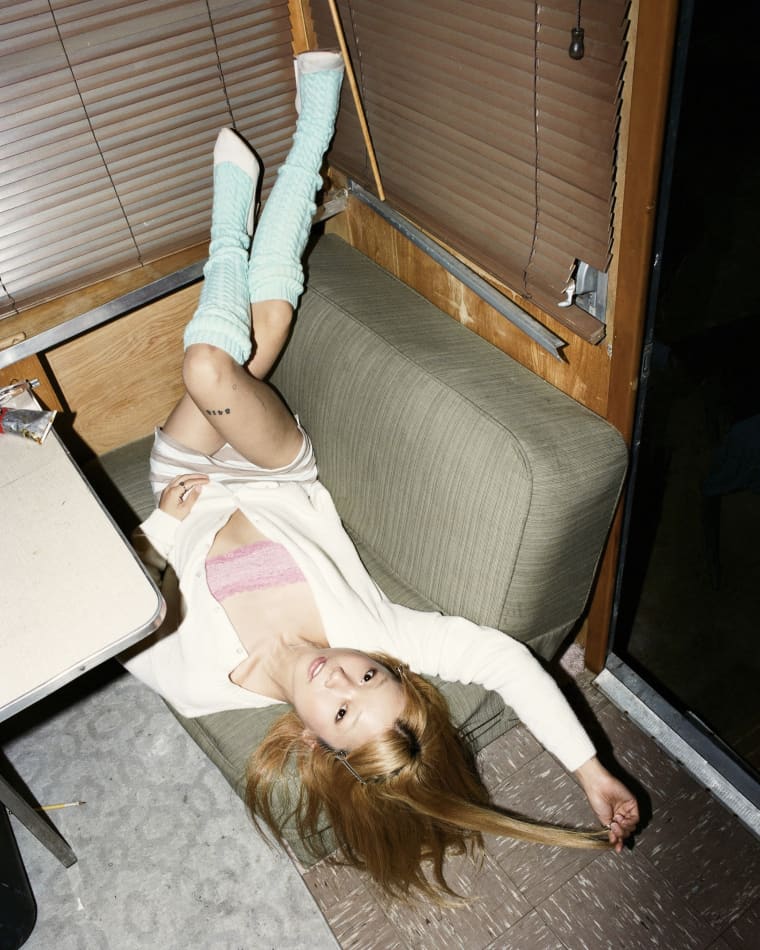

Day is not new to online attention. She first went viral in 2017 when she was still in high school, after a video of her singing “Hallelujah” into a reverb-ey well in Spoleto, Italy, while on a school trip with her choir took off on YouTube. “The freaking Ellen show was hitting me up,” she recalls. In the next half-decade, she forged a music career that inadvertently hit upon just about all of Gen Z’s cultural touchpoints: She began posting acoustic guitar covers on YouTube, then moved to Los Angeles as a college student/part-time pop star, and self-released four EPs, many of which featured a very late-2010s, bedroom R&B soundscape.
Hollis is definitely someone who helped me realize it’s all possible, but I’d like to think I’m making a lane for myself.
In 2024, after graduating college, she self-released an album, LOVER TOFU FRUIT, that combined her heartfelt singer-songwriter lyrics with dreamy digital production. She had a devoted fan base and toured, but the daily grind and fallow economics of independent artistry was a lot for a young girl who had aspirations of studying biomedical engineering before a music career fell on her lap. “Every day I thought about if I had chosen a different life, if I had worked a 9-to-5 with a steady routine and paycheck,” she remembers.
Her “last straw” happened on a beach in San Francisco in 2025, when she admitted to a friend that music no longer brought her joy. She struck up a deal with her managers: her next album would be her last, and she’d do the most for her final send-off.
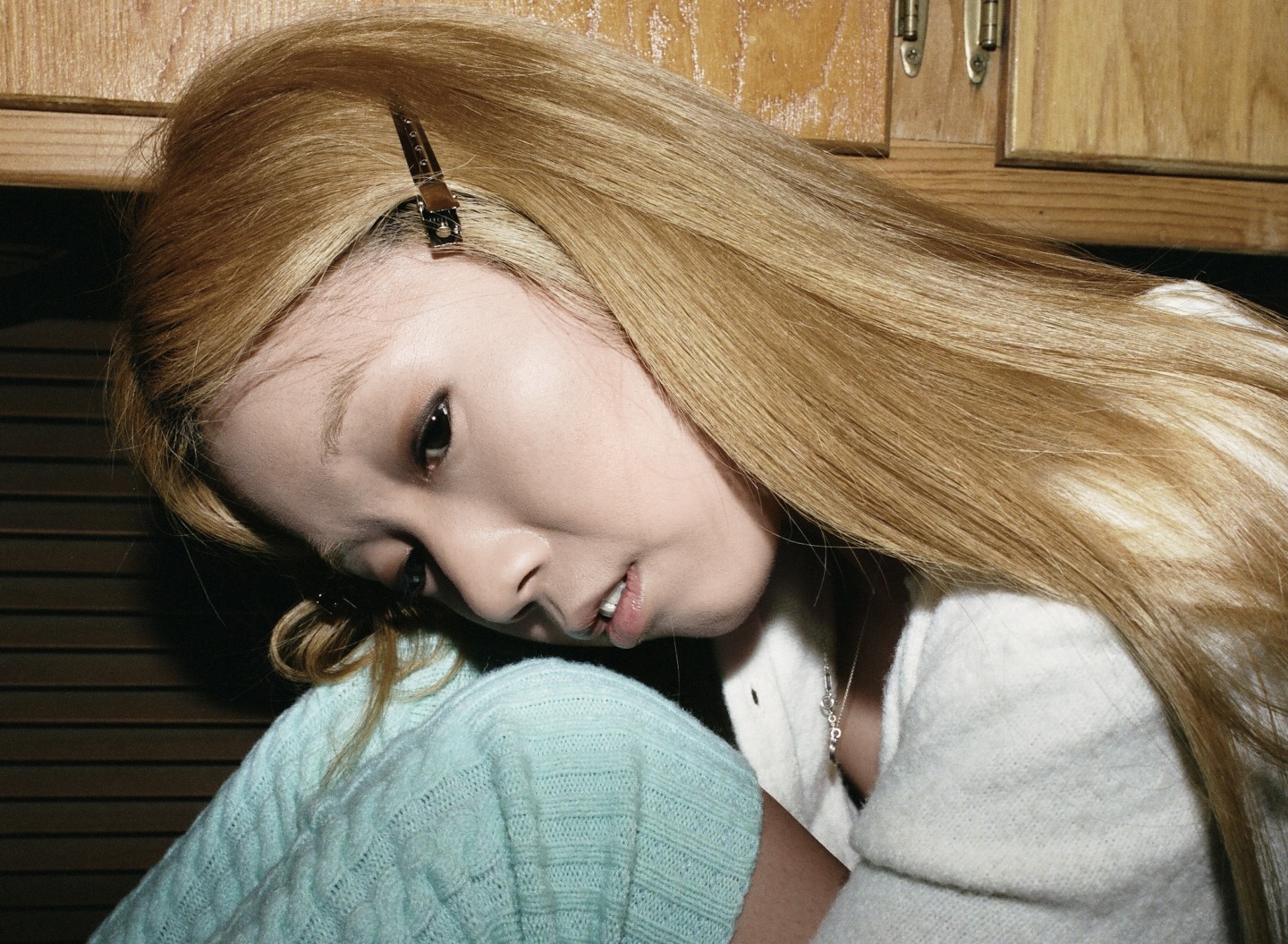
Briefly giving up ended up marking a new beginning for Tiffany Day. She decided to try on the electronic dance music of her youth and the post-Crystal Castles pop that was finding a footing among Gen Z. “I was journaling about it for months,” she says. “I always wanted to belong to a niche and [electronic music] felt like it was calling to me, but it terrified me what [fans and musicians in this genre] would think of me and my music.”
Anxiety morphed into drive as she decided to take the reins on her production. She worked alongside her producers — Jeff Melvin, Niles Forester, and Jack Hallenbeck — but didn’t hesitate to “do rather than explain” her ideas. “It was a continuous journey of feeling like I didn't have the skills to [produce],” she says. “One day, I was just like, ‘I don’t need to keep telling myself that narrative.’ I just sent it.”
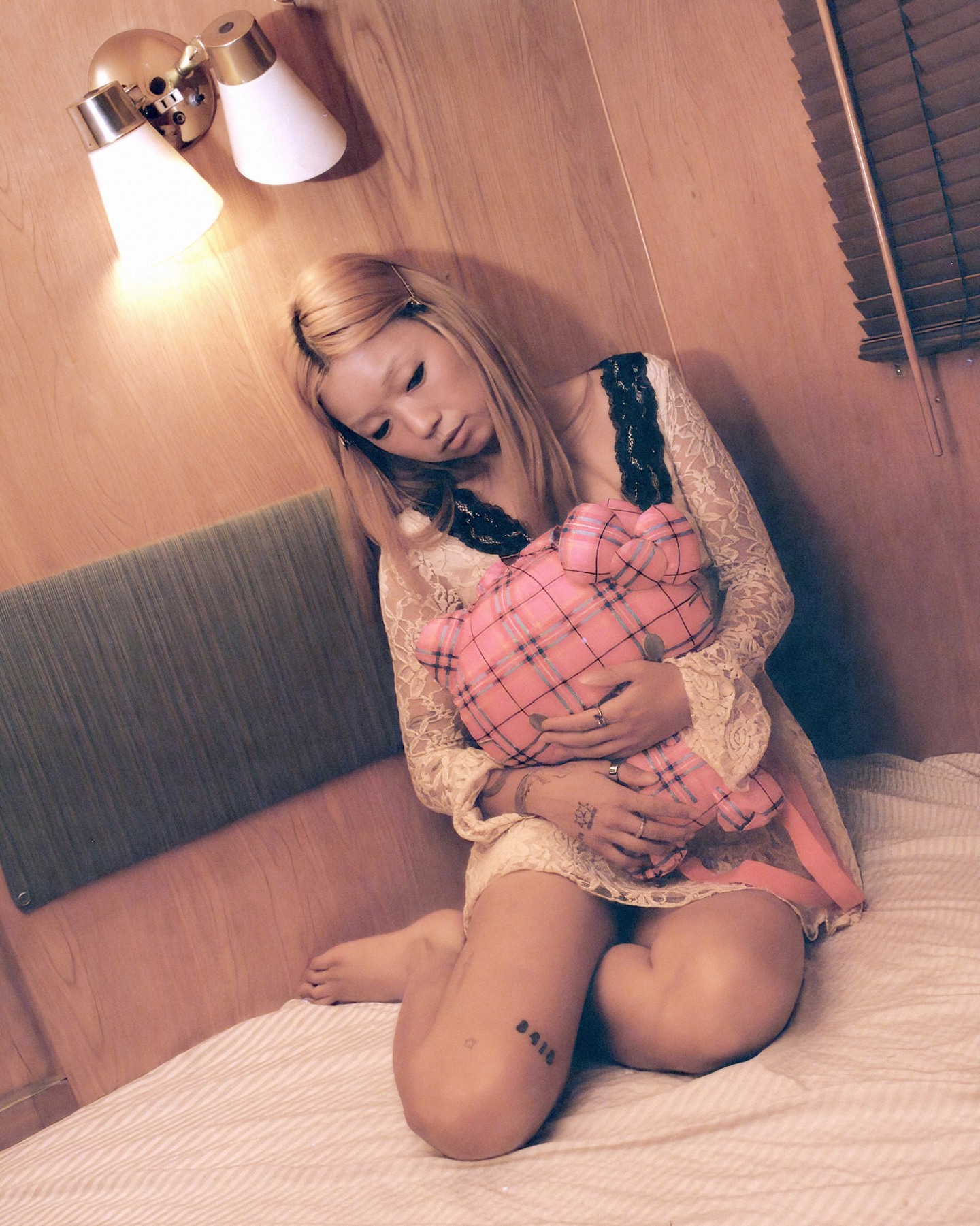
Whereas her music prior to HALO had a trying-this-out quality, the songs of her current era boast clear pop logic. Tracks like “SAME LA” and “START OVER” combine the adolescent angst of an Olivia Rodrigo ballad with the big-feeling sonics of EDM. Alongside the new sound, she adopted a more clearly defined look, part-skater, part-princess, and very online: slouching low-rise pants, an askew cap, over-ear headphones, and layers of colors and prints. She sparked some online attention via a viral On The Radar interview, where she performed with a big pink plushie backpack. “I just didn't want to lose myself when I moved into this [darker electronic] niche,” Day says. “I'm naturally a happy, fun person. Performing with my plushie backpack felt so real and so genuinely me. Your artist project should be who you are, times 30.”

I always wanted to belong to a niche and [electronic music] felt like it was calling to me, but it terrified me what they would think of me and my music.
Initially, Day felt deflated when she started to roll out this new era with “PRETTY4U” and “AMERICAN GIRL” to limited fan engagement. “I called my manager and I was like, I think I fell off,” she says. But after she decided to treat her roll out like a science, she told herself that if she posted 30 days in a row consistently, she could buy herself a Dyson Air Wrap. “I started making these edits that became their own piece of art,” she says. When the month was over, she had an extra 50,000 followers on TikTok and had signed a record deal with Broke Records.
Despite her success, Day says she still struggles with the conflicting desires to express herself and hide from the spotlight, like she did when she was a teenager. At her predominantly white Kansas high school, she tried to lay low but often overheard herself referred to “as that Asian girl” — and after her viral video, “the well girl.” Virality and attention, however, helped her get crowned homecoming queen, “which was crazy,” she adds.
Her initial desire to universally relate, to not show too much of her own idiosyncrasies, is maybe why much of her earlier music hovered near the safety of exploring the pain of young love. But now, on the cusp of stardom, Day’s music stands out for its hyperspecificity and strikingly plainspokenness. Take HALO’s remarkable intro “EVERYTHING I’VE EVER WANTED” which joins the likes of Billie Eilish’s “Getting Older” and Charli xcx’s “Next Level Charli” as unforgettable pop album throat clearings. Over minimalist synth production Day granularly describes the crushing anxiety and emptiness she contends with even as she achieves her dream: “When something good comes crashing into me it’s like I can’t breathe / Cause all I can think about is when that thing finally leaves,” she sings.
Day is hardly the first pop star to deploy lyrical transparency as a way to connect with her audience. But something about her vulnerability on HALO hits with an added resonance, given that it comes after a long, public road to finding her confidence. I ask her how she’s handling it. “I’m overwhelmed as fuck. But I’m grateful.”