



The FADER’s longstanding GEN F series profiles the emerging artists you need to know right now.
“What if Ariana Grande had a dick?”
Eli poses the question over porridge, lost in the fantasy of what that kind of representation might’ve done for her a decade ago as a young kid growing up in Norfolk, Massachusetts, a town with a population of just over 10,000. It’s 2 p.m. on a Wednesday, and we’re sitting in the back of a cafe in Los Angeles’ Highland Park neighborhood. Emma Hernan, the vegan empanada-making star of Selling Sunset, raises her eyebrow from the table over. Unaware, Eli powers through the thought, “I could cry at the feeling.”
The 25-year-old singer-songwriter is pop’s freshest face, yet perhaps its most referential. Stage Girl, Eli’s upcoming debut album, out October 31, is an intoxicating meditation on fame and reinvention, tinged with the desperation of a Midwest reality show auditionee and laced with the vocal agility of a diligent student of pop powerhouses like Grande and Jordin Sparks.
The album tells the story of a small-town girl with big dreams of moving to L.A. to become a pop star, but she has to discover the sense of self needed to survive. For a generation born after Kelly Clarkson won the first season of American Idol, competition shows were the fastest track for an unknown singer to make it to Hollywood. One of Eli’s biggest inspirations, she says, is Season 8 Idol contestant Amanda Overmyer, whom she calls her Janis Joplin.


“She was a nurse and she had an Amy Winehouse beehive and Steven Tyler's crazy bell-bottoms,” she remembers. Sitting in front of the TV to “watch someone be like, ‘This is my dream. This is my one shot,’” year after year, over and over again, was formative for Eli. “The drama. I literally have chills thinking about it.”
Eli auditioned, too, of course, and never made it onto any of the shows. But it ignited her dreams, a yearning for girlhood, and a lifelong obsession with pop stars that awakened something she didn’t know was there.
“Maybe it's unhealthy,” Eli reflects on stan culture. “Parasocial. But in other ways, it's human. I needed those examples.”


Maybe it’s unhealthy. Parasocial. But in other ways, it’s human. I needed those examples.

Stan culture is the lifeblood of Eli’s music. There are references everywhere, a feast for the chronically online. Bubble-wrapped in jaw-dropping riffs and delivered with a sly wink, Stage Girl is a triumphant declaration: This is who I want to be, and this is how I'm going to go after it.
On “Girl Of Your Dreams,” Eli waxes poetic over an instrumental yearning for 1990s Mariah Carey and early Britney Spears. “I was the girl of your dreams,” she repeats as a reminder to a faltering lover, but perhaps also as a prayer to her younger self.
She yearns for the cringe of the early 2000s. Painfully nostalgic images of Eli in a fedora are littered across the album promo, reminiscent of the cover art for Kelly Clarkson’s “Miss Independent” or Jordin Sparks “Tattoo.” The music video for “Fortunately 4 U” was filmed on Photo Booth, with a MacBook (a red-haired Ariana Grande is her background, of course), and viewers watch Eli as she Googles, “how do I become a famous singer?”
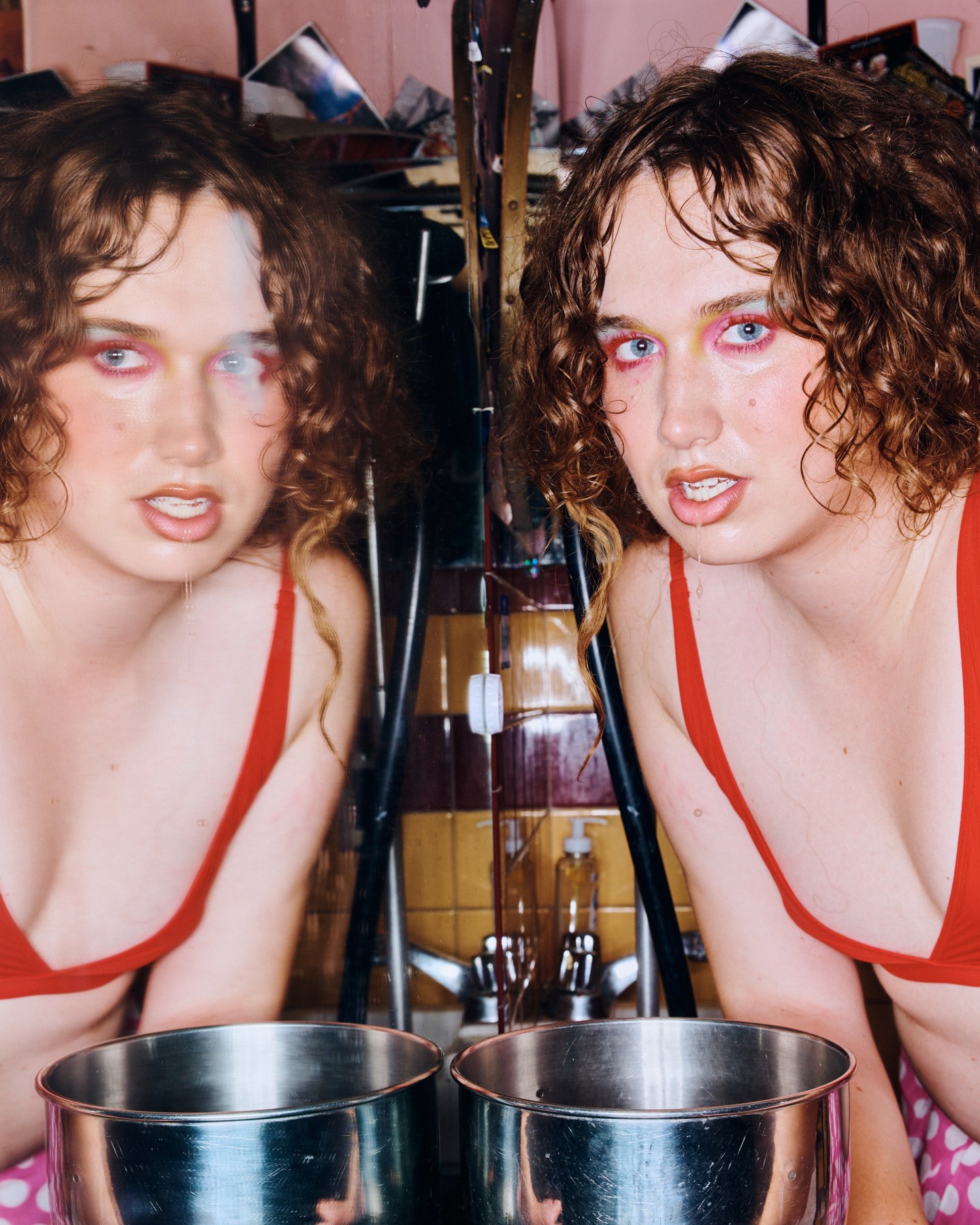

Nearly every track on Stage Girl shimmers with double meanings and coy contradictions. “I Wish I Was A Girl” playfully laments gender dysphoria. And on the final track, “Somebody I’m Not,” Eli bristles with determination.
Stage Girl reflects the highs and lows of stan culture, yet was built by it. Only a stan could make music this reflective and silly, this sharp yet disarming. “The people who have found my music on TikTok are stans," she says. "They’re pop heads. They're me. I was on stan Twitter and on Pop Crave in 2015, trying to figure out what the tea is about the next release. That's my God. That's my shit.”
Eli loves to take stan Twitter brain rot and mold it into art or, as she puts it, “take the reference and make it a whole scene.”
Eli’s has already used a tried-and-true pop star method to generate buzz: staged celebrity beef. “Taylor Swift, you will never be trans,” she dramatically opens one of her viral TikTok videos. “I’m not afraid of you.” She also talks about her plans to revive Katy Perry’s latest career missteps. “That's why I'm trying to be a pop star,” says Eli. “I want to be in the same room as her, and I want to say, ‘Girl... Come on. Snap out of it.’”


She spends hours on TikTok, feeding her fanbase in “a feedback loop, because everyone’s in on the bit,” asking her livestreams for advice on lyrics, riffs, fonts, and album art. Suddenly, the comments section is currency. She trades jokes with her followers, takes notes. Fans will make cover art suggestions like Taylor Swift’s Fearless, Lana Del Rey's Blue Banisters, Selena Gomez's Rare, and Fifth Harmony, post-Camila Cabello, of course — and she swallows them whole, then reimagines and regurgitates them. All of these covers represent global talents, yet toe the line between pop glamour and hodgepodge. The dated graphic design efforts on album covers and T-shirts were drafted and approved by entire publicity department assembly lines, but their retrospective messiness now feels relatable — and is easier than ever to recreate.
“There was something about seeing these massive pop acts with major platforms with millions of dollars and fame and glory” with album covers that look like they were “literally made on an iPhone,” she says.


I was on stan Twitter and on Pop Crave in 2015, trying to figure out what the tea is about the next release. That’s my God. That’s my shit.
Eli represents the democratization of pop music. A teenager can download Picsart and Pro Tools and create something comparable to their heroes using only their laptop. “That's what Stage Girl is,” she says. “It's taking your version of you in your bedroom, writing a song with your T-shirt on and pizza stains all over you, mascara running down your eyes, all of it. It’s that version of you who makes a song.”
Eli bonds with her fans over their shared appreciations, then walks a mile in the wigs of their favorite pop stars. For those early investors, seeing her win as a fan is the ultimate return.
“Some of my idols have a complicated relationship [with their fans]. The mystique and mystery is really tired unless you're, like, Frank Ocean,” Eli states. “I like the idea of, ‘I'm going to tell you everything, and then let's make it better.’”
Because of this, she knows how just her existence can impact people. Eli “cried her eyes out” to one comment from a 13-year-old trans girl who told her how much she “needed” to see someone like Eli as a pop star. The manufactured relatability of the 2010s is long gone — no one needs a generic fight song anymore. Radical vulnerability, sharing who you are, is in.
It's not just about the dream of stardom or the stage, but of self-discovery, freedom from repression, of leaving Massachusetts to come to L.A., an unpacking of all the messy bits, owning it, and living as that version of yourself to the fullest extent.

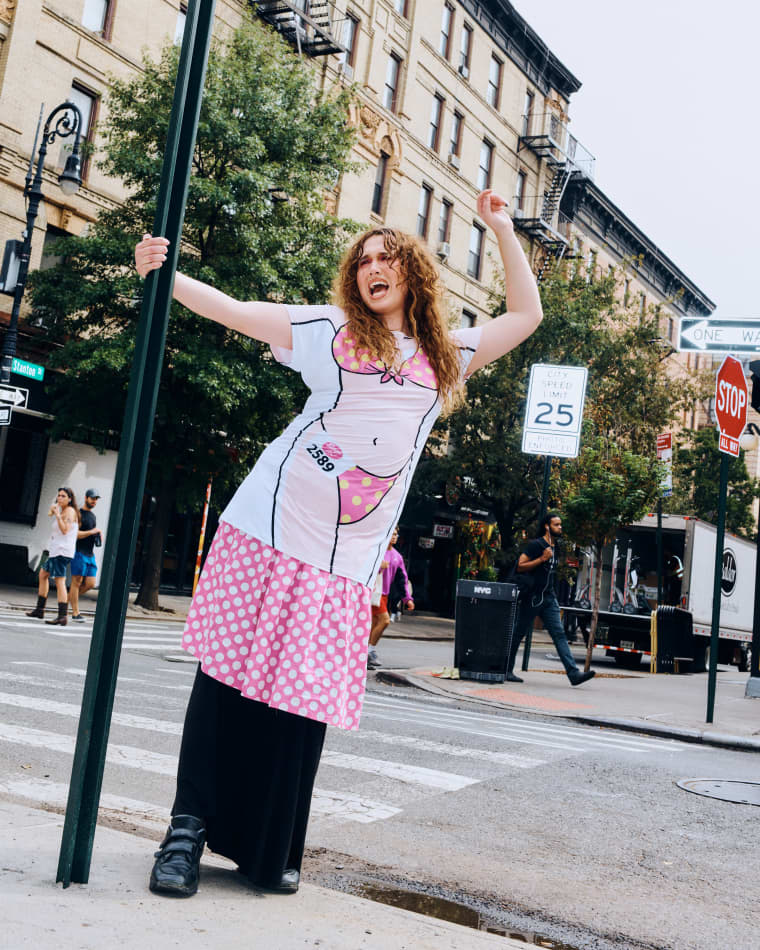

Eli doesn’t eat much of her porridge, too excited by the conversation. In our final moments together, I ask her if she wants to start beef with anyone else. We’ve got an album to promote after all.
“I was thinking Lorde.”
